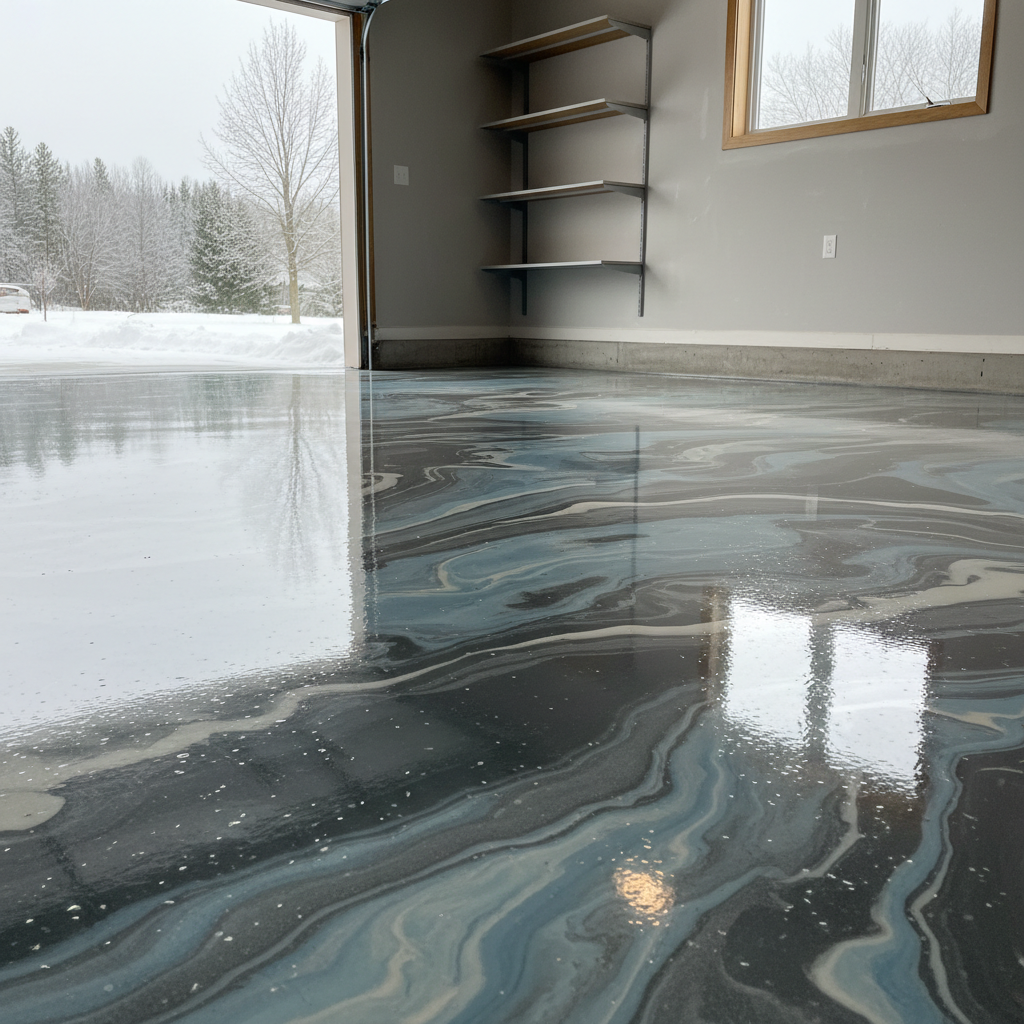
Alright, let's talk about epoxy floors. I get a lot of questions about these coatings, especially from folks here in Superior who are looking to upgrade their garages, basements, or even commercial spaces. There's a lot of info out there, and frankly, some of it's just plain wrong or way too salesy. So, I figured I'd tackle the most common questions I hear, giving you the straight goods from someone who's been doing this for a while.
How long does an epoxy floor coating actually last?
This is probably the number one question I get. The honest answer is, it depends on a few things, but a professionally installed epoxy floor can easily last 10-20 years, sometimes even longer. Now, that's for a high-quality, commercial-grade epoxy system, not the cheap DIY kits you grab from a big box store. Those kits might look good for a year or two, but they just don't have the same durability. What impacts longevity? Things like how much traffic it gets, what kind of chemicals it's exposed to, and how well the concrete was prepped before the coating went down. If you've got a busy garage with heavy vehicles and tools dropping, it'll show wear faster than a basement rec room. But with proper installation and a good product, you're looking at a serious investment that pays off for years.
Can I really do this myself, or do I need a pro?
Look, I'm not going to tell you it's impossible to DIY. People do it. But here's what I've seen: the success rate for DIY epoxy is pretty low, especially for a lasting, professional finish. The biggest hurdle isn't applying the epoxy itself; it's the concrete prep. You need to properly clean, degrease, and often grind or acid etch the concrete to create a profile that the epoxy can really bond to. If you don't, you're going to get peeling, delamination, and hot tire pickup – trust me, I've seen it countless times. Plus, epoxy has a limited pot life, meaning once you mix it, you're on the clock. Pros have the right equipment, the experience, and the right products to get it done right the first time. It's like changing your own oil versus rebuilding an engine; one's a lot more complex than the other if you want it done right.
What about those flakes? Are they just for looks?
The decorative flakes you see in many epoxy systems, often called 'chips' or 'broadcast flakes,' do more than just make the floor look good. Yes, they add a ton of aesthetic appeal, giving you endless color and pattern options. But they also add a layer of texture, which improves slip resistance. This is huge, especially in a garage where you might have water, oil, or snow melt tracked in, or in a basement that might get damp. They also help hide minor imperfections in the concrete slab and can make dust and dirt less noticeable. So, while they definitely look sharp, they're also serving a practical purpose.
Is an epoxy floor hard to clean and maintain?
Quite the opposite, actually! One of the biggest benefits of an epoxy floor is how easy it is to clean and maintain. Because it creates a seamless, non-porous surface, dirt, dust, oil, and chemicals can't penetrate it. You just sweep or vacuum up loose debris, and for spills or grime, a mop with some mild detergent and water usually does the trick. Avoid harsh chemicals or abrasive cleaners, as they can dull the finish over time. Compared to raw concrete, which soaks up everything and stains easily, an epoxy floor is a dream to keep clean.
How long does the installation process take?
For a typical two-car garage, you're usually looking at a 2-3 day process. Day one is all about prep: grinding the concrete, repairing cracks, and getting it perfectly clean and profiled. This is the most crucial step. Day two is for applying the base coat and broadcasting the flakes. Day three is usually when we apply the clear topcoat, which provides that extra layer of protection and shine. Now, you can't drive on it immediately. There's a curing time, which can vary depending on the product and temperature, but generally, you'll want to wait 24-48 hours for light foot traffic and 3-7 days before parking vehicles on it. We'll always give you specific instructions based on your project and the conditions.
Will the cold Superior winters affect my epoxy floor?
That's a smart question, especially living up here where we get some serious temperature swings. Good quality epoxy coatings are designed to handle cold temperatures very well once they're fully cured. The main concern with cold isn't the cured floor itself, but rather the installation process. Epoxy needs specific temperature ranges to cure properly. If it's too cold during application, it won't cure correctly, and you'll end up with a weak, soft, or peeling floor. That's why we often recommend doing these projects when temperatures are consistently above freezing, or if it's a heated space like a basement, we can work year-round. But once it's cured, your epoxy floor from Superior Concrete Coatings will stand up to those freezing temps, road salt, and snowmelt without an issue.
What's the deal with 'hot tire pickup'?
Hot tire pickup is a real problem, especially with lower quality epoxy coatings or improperly prepped floors. What happens is, when you drive your car, the tires heat up significantly. When you park that hot tire on a poorly installed or cheap epoxy coating, the heat can cause the coating to soften and bond to the tire. Then, when you drive away, pieces of your epoxy floor literally peel off with your tires. It's a nightmare. This is why proper concrete preparation and using a high-quality, industrial-grade epoxy system with a strong topcoat is absolutely essential. It prevents that chemical bond from forming between your hot tires and your floor. You won't have to worry about that with a professional installation.
Hopefully, that clears up some of the common questions you might have about epoxy floors. It's a fantastic, durable, and attractive option for many spaces, but like anything, getting it done right makes all the difference.