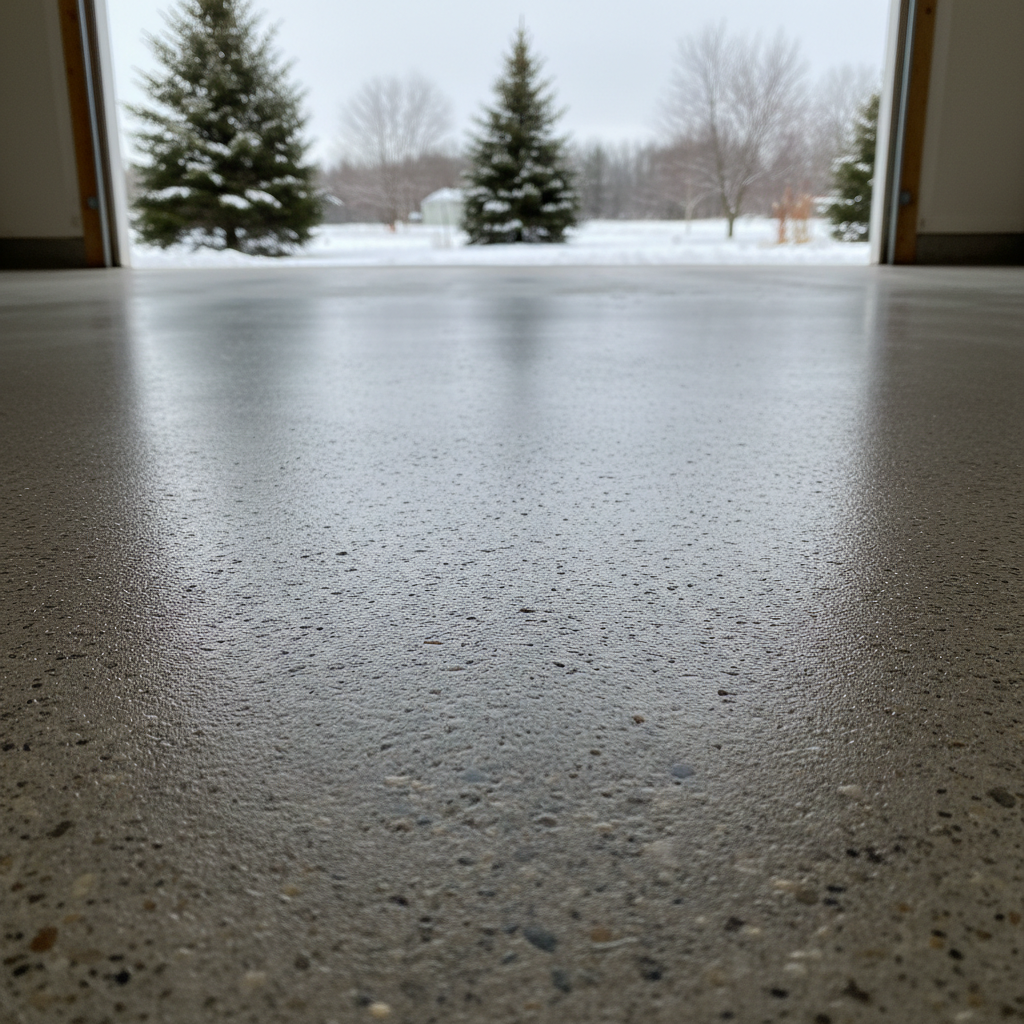
Do I really need to seal my concrete in Superior? It seems like an extra step.
Look, I get it. You just shelled out good money for a new driveway, patio, or garage floor, and now someone's telling you there's *more* to do. But honestly, here in Superior, WI, sealing your concrete isn't just an extra step; it's pretty much non-negotiable. Our winters are brutal, right? We get those deep freezes, then thaws, then more freezes. That constant freeze-thaw cycle is concrete's worst enemy. Water seeps into those tiny pores, freezes, expands, and slowly but surely, it breaks your concrete apart. Add in the salt and de-icers we use on our roads and sidewalks, and you've got a recipe for spalling, cracking, and surface deterioration. A good sealer acts like a shield, keeping that moisture and those nasty chemicals out. It's an investment that pays off by making your concrete last way longer, saving you from much more expensive repairs down the road.
What's the difference between a sealer and a coating?
This is a common question, and it's really important to get your head around. Think of it like this: a sealer is generally a thinner, often clear, protective layer that soaks into the concrete or just sits on the very top. Its main job is to repel water, oil, and other gunk. It might make the concrete look a little better, maybe give it a "wet" look, but it doesn't add much thickness or change the texture dramatically. Coatings, on the other hand — like the polyurea systems we install at Superior Concrete Coatings — are much thicker, super durable layers that bond incredibly strong to the concrete. They're usually colored, come in various shades and flake options, and offer a much higher level of resistance to scrapes, impacts, and chemicals. Coatings are more about transforming the surface, adding serious protection, and often changing the whole look completely. Sealers are preventative maintenance; coatings are a full-on upgrade and protection system.
How often should I reseal my concrete?
That depends a lot on the type of sealer you use and how much abuse your concrete takes. For a basic penetrating or topical sealer, you're generally looking at resealing every 1 to 5 years. Driveways and outdoor patios that get hammered by sun, snow, and de-icers will need it more often, maybe every couple of years. Indoor concrete, like a basement floor that doesn't see heavy traffic or chemicals, might go five years or even longer. The best way to tell if it's time? Do a simple water test. Pour a small amount of water on the concrete. If it beads up nicely, your sealer is still doing its job. But if the water soaks in and darkens the concrete, it's definitely time to reseal. Don't wait until you see damage; be proactive, okay?
Can I seal my concrete myself, or should I hire a pro?
You absolutely *can* seal concrete yourself. There are plenty of products available at hardware stores. For a small, simple patio or sidewalk, it's a manageable DIY project. However, there are a few things to consider. First, proper surface preparation is key – cleaning it thoroughly, maybe even pressure washing, and making sure it's completely dry. Second, picking the right type of sealer for your specific concrete and environment is crucial. Not all sealers are created equal, and some might not hold up well to our Superior climate or the specific soil conditions we have, especially in areas with a lot of clay. Third, application needs to be even to avoid blotches or puddling. If you've got a large area, or if you're looking for a higher-performance, longer-lasting solution like a coating, I'd strongly recommend hiring a professional. We've got the specialized equipment, the industrial-grade products, and the experience to ensure it's done right and lasts.
What kind of sealers are best for outdoor concrete in our climate?
For outdoor concrete around here, you want something that's going to stand up to moisture, freeze-thaw cycles, and de-icing salts. Penetrating sealers, especially silane or siloxane-based ones, are excellent choices. They soak into the concrete, creating a hydrophobic barrier without changing the look or making the surface slippery. They don't form a film on top, so they won't peel or flake. Acrylic sealers are also popular, often providing a nice